After a hurricane or flood, mold can begin in wet drywall, insulation and flooring within a couple of days. EPA advises drying wet materials within 24 to 48 hours, and anything porous that stays moldy usually has to be removed. Call the number on this page to be connected with a local mold company in South Palm Beach.
Signs that floodwater left mold behind
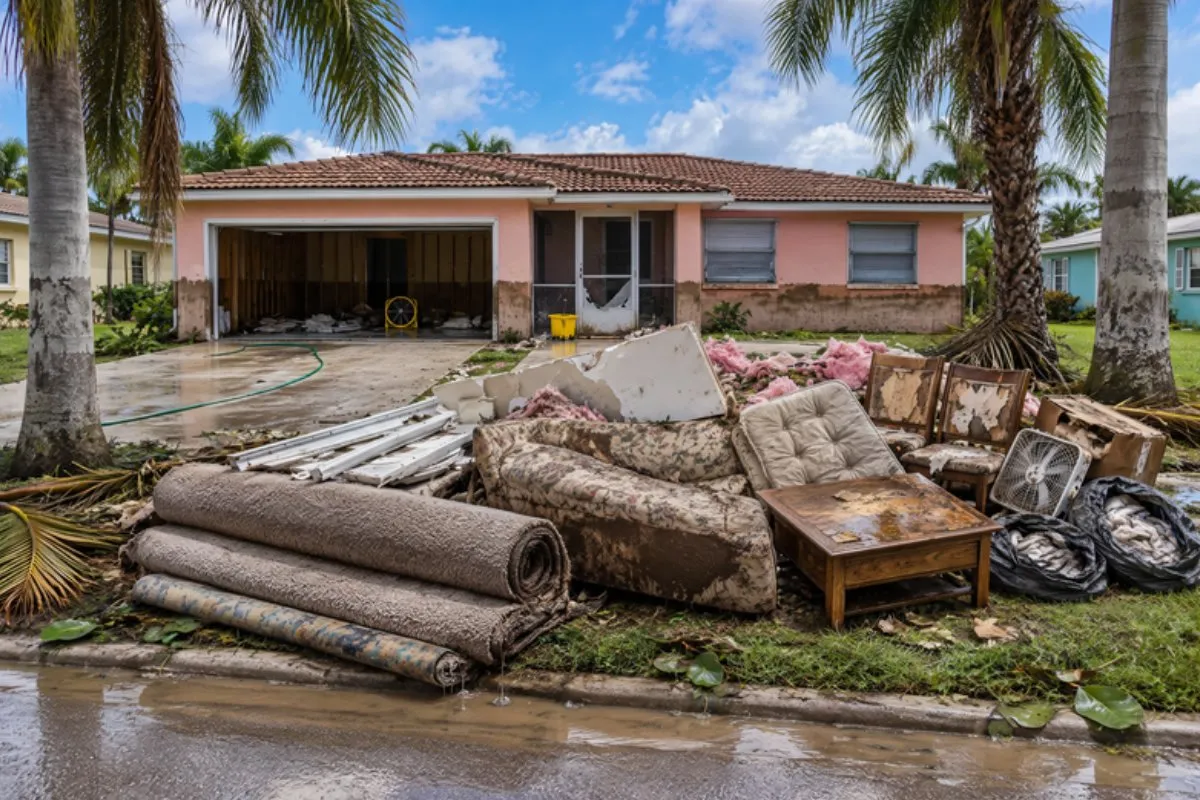
Mold after a flood does not always show up as black spots. Look for a musty smell that returns when the AC cycles off, baseboards that stay damp, paint that bubbles or peels, and drywall that feels soft near the floor. Check behind furniture and inside closets, where water sat longest and air never reached.
Storm surge and flooded canals
Low coastal streets and homes along canals can take on water that rises quickly and drains slowly. Surge and canal water carry silt, so they leave a film on block walls and under flooring. Slab homes have no basement to pump out, but water still sits in walls, cabinets and floors.
Close to the Intracoastal and the ocean, South Palm Beach homes face surge, salt air and wind-driven rain, and coastal water leaves salt and silt behind on block, stucco and flooring.
Comparing two quotes
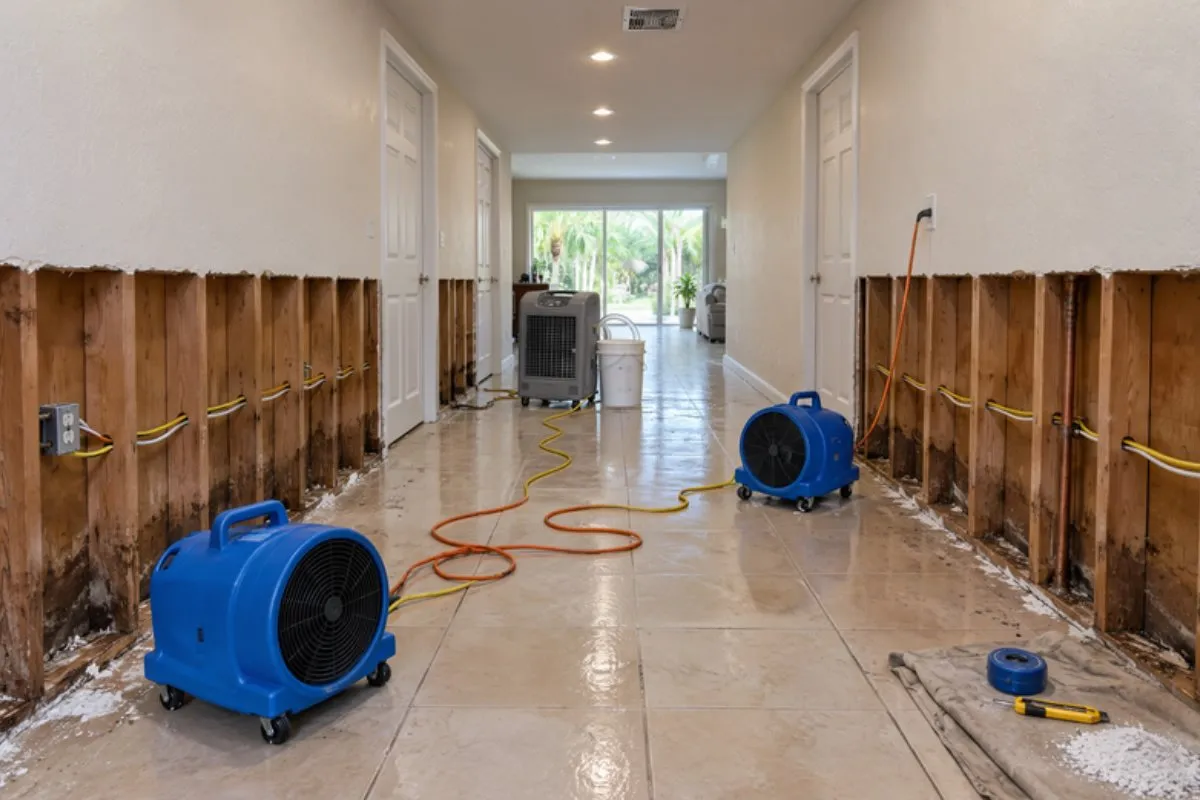
Set the quotes side by side and check what each includes: demolition, hauling, cleaning steps, drying days, moisture logs and any testing. A short quote that leaves out the drying often turns into a second visit. Ask each company to list rooms and materials rather than give one lump sum.
After the work, ask for proof it is dry
Finishing demolition is not the end. Ask for final moisture readings showing that framing and slab are dry before anyone closes up a wall. If you want independent confirmation, a clearance check by a separate assessor can be arranged. Closing up damp walls is how problems return.
Follow up after the first dry-out
Check the house again a few weeks later. Look at baseboards, closet corners, ceilings and anywhere that smelled damp. Humid weather can pull moisture back into materials that seemed dry. If the smell returns or you spot new growth, call again early rather than waiting for the next big rain.
Useful local contacts for South Palm Beach
State law treats mold assessment and mold remediation as separate license types issued by DBPR. A quick license lookup is worth doing before you sign anything.
Florida also bars a company that assessed a structure from remediating it within 12 months, and the reverse, so the inspection and the cleanup usually come from two different businesses.
the South Palm Beach Building Department handles building permits here, so that's the place to check before walls, cabinets or flooring go back in.
Palm Beach County Planning, Zoning & Building offers flood zone details, worth checking if storm water or surge is part of the story.
Companies that take calls here usually also work in Lake Worth Beach, Palm Beach and Lake Clarke Shores.
Hurricane & Flood Mold Removal questions in South Palm Beach
Should I throw out everything that got wet?
Is mold after a roof leak handled the same way as flood mold?
Who handles mold in a flooded condo?
Do salt air and surge water change the cleanup?
More mold services in South Palm Beach
Hurricane & Flood Mold Removal nearby
Helpful guides
Sources
Last updated: