Commercial mold remediation is the same basic job as a home project, containing the area, removing what cannot be saved and drying the building, but with added attention to occupied space, schedules and records. Florida license rules apply the same way. Call the number on this page to be connected with a local mold company in South Palm Beach.
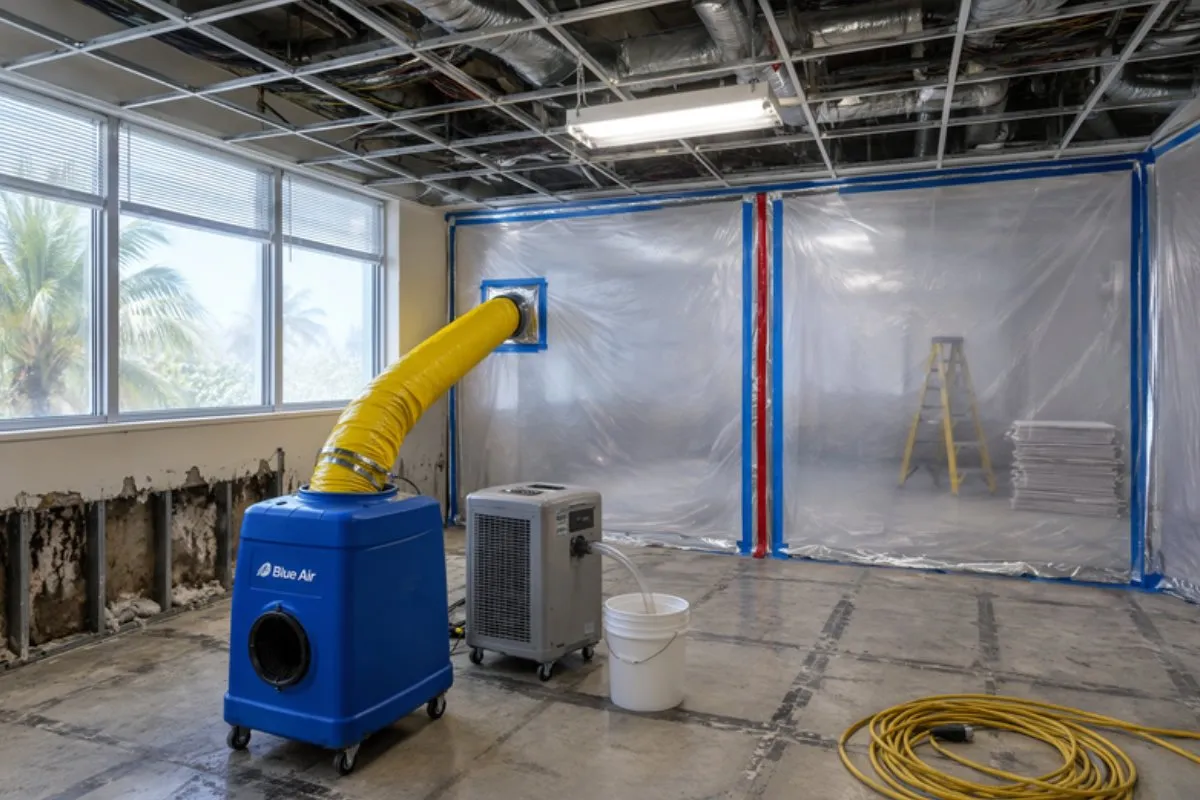
Signs a commercial space has a mold problem
Around Lake Worth Beach, stained or sagging ceiling tiles, peeling paint, a musty odor that fades with the AC off and returns when it runs, and growth along baseboards or behind wall coverings are common. Tenants and staff often notice the smell first. Reporting it early, in writing, gives the owner time to track down the water.
Kitchens, restrooms and plumbing
Restaurants have steam, grease, wet floors and walk-in coolers, and any of them can leave damp walls or ceilings. Restrooms and break rooms add supply lines and drain stacks inside walls. A slow leak behind a finished surface in a shared wall may take weeks to appear on the other side.
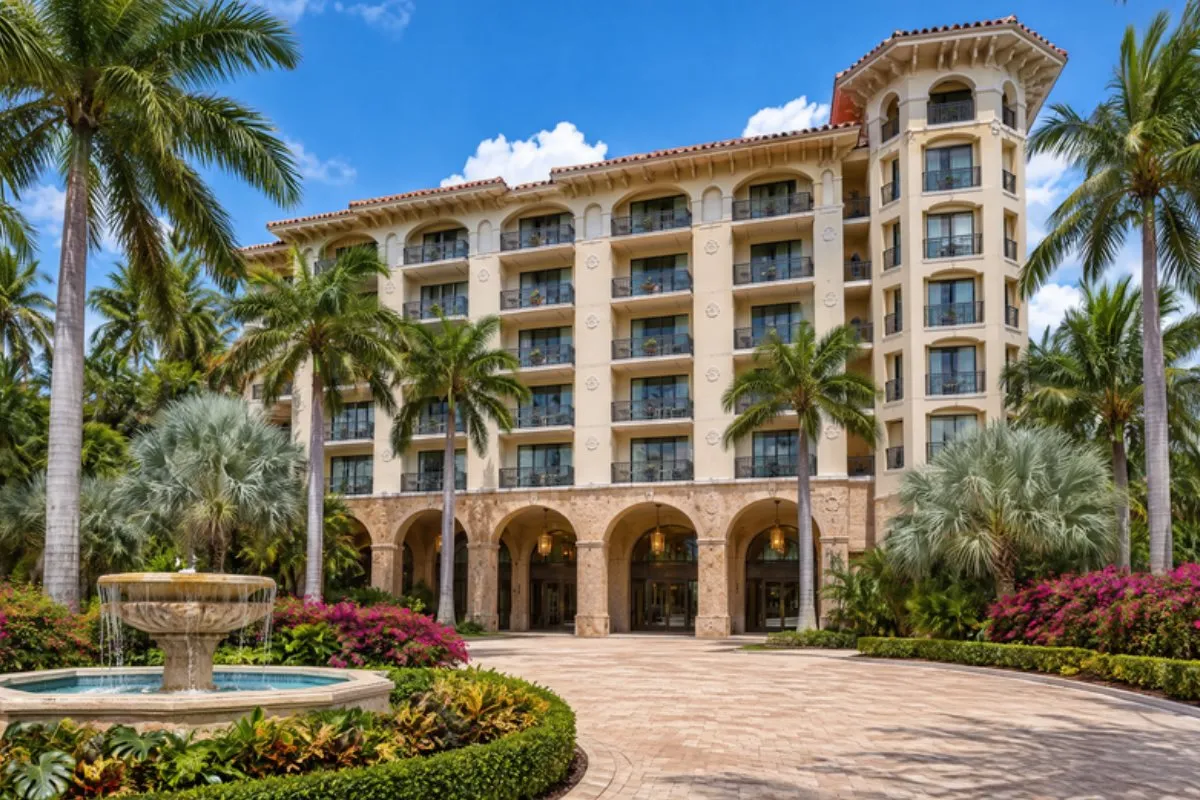
Coastal condos, hotels and shops deal with moist, salty air year-round, and storm surge or heavy rain can reach ground-floor suites. Quick drying after any water event is especially important here.
Why bids for the same building vary
In Palm Beach County, one company may price only the visible mold, while another includes opening walls, drying equipment, clearance testing by a separate assessor and a final report. Ask what each bid includes. A lower figure that skips documentation can cost more later with a tenant, a lender or an insurance adjuster.
Schools, churches and community buildings
Near Lake Worth Beach, Palm Beach and Lake Clarke Shores, these buildings have schedules built around weekly events, classes and services. A company can often phase the work by wing or room, starting where activity is lowest. Letting staff, parents or members know what the barrier means, and when the area will reopen, reduces rumors and repeated questions.
Assessor and remediator roles
An assessor looks at the building, writes the protocol and checks the result, while a remediator carries out the removal and cleaning. On a larger commercial job, having these roles separate gives the owner a cleaner record. Florida DOH does not recommend sampling when mold is visible, so testing is about verifying the cleanup.
Permits, flood maps and licenses in South Palm Beach
State law treats mold assessment and mold remediation as separate license types issued by DBPR. A quick license lookup is worth doing before you sign anything.
Florida also bars a company that assessed a structure from remediating it within 12 months, and the reverse, so the inspection and the cleanup usually come from two different businesses.
Remediation itself is cleanup, but putting the room back together can be permitted work; ask the contractor whether the South Palm Beach Building Department needs to be involved.
To see whether a property sits in a mapped flood zone, start with Palm Beach County Planning, Zoning & Building.
Nearby, the same kind of help is available in Lake Worth Beach, Palm Beach and Lake Clarke Shores.
Commercial Mold Remediation questions in South Palm Beach
What records should I ask the company for?
Do I need testing before remediation?
Does bleach work in commercial spaces?
Will the company fix the roof or pipe too?
More mold services in South Palm Beach
Commercial Mold Remediation nearby
Helpful guides
Sources
Last updated: