If water entered the house from a storm, a roof breach or a flooded canal, check walls, cabinets and flooring even where it looks dry. Hidden moisture is what lets growth spread behind the surface. Call the number on this page to be connected with a local mold company in Gulf Stream.
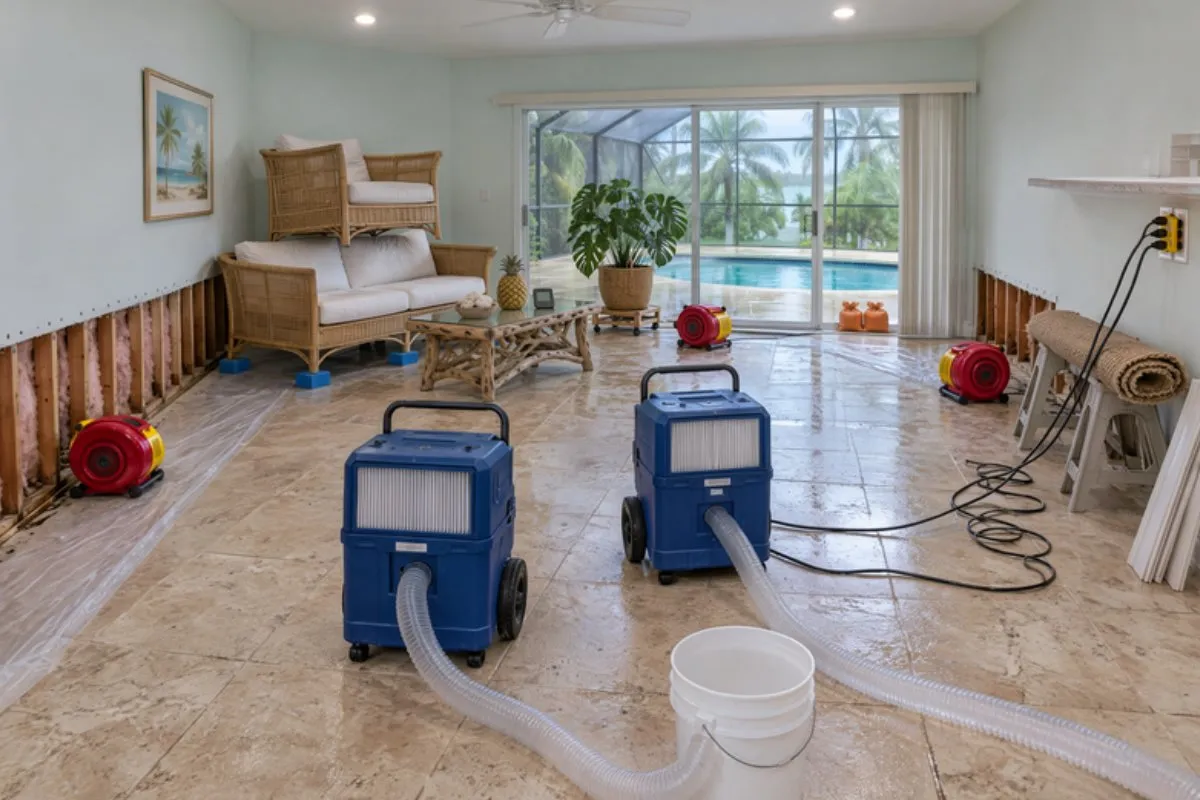
Hidden growth behind a dried-out wall
A wall can look fine on the surface while the cavity behind it stays wet. Water wicks upward through drywall and insulation, so growth often starts well above the visible waterline. A moisture reading and a look inside the wall tell you more than the paint does. Rooms that smell damp but look clean deserve the same attention.
Floodwater is not clean water
Canal, surge and drain overflow can carry sewage and debris. For that reason, porous items that sat in it, such as carpet, pad and upholstered furniture, are usually discarded rather than saved. A company will tell you what is salvageable and treat the area as contaminated until it is cleaned.
Coastal homes around Gulf Stream often take wind-driven rain through sliding doors and window seals, and salt in surge water makes thorough cleaning and drying more important.
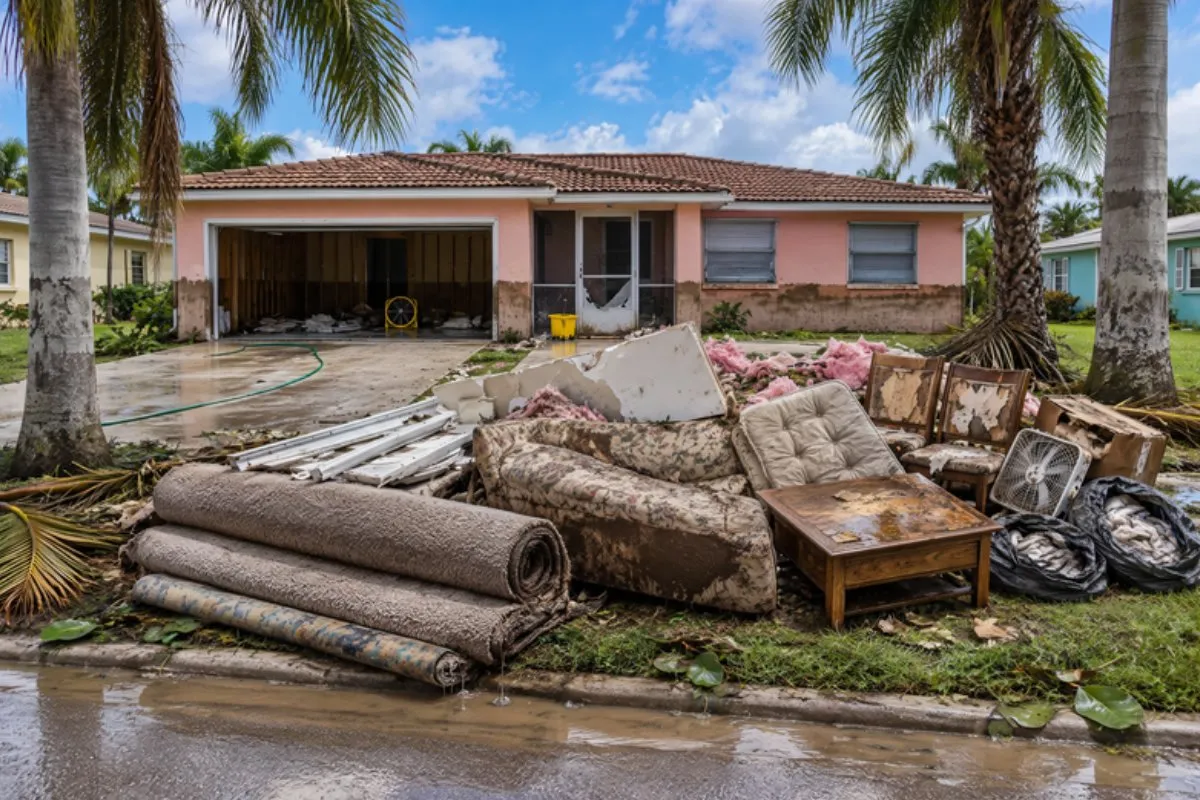
What shapes the scope of a flood job
Two things matter most: how long materials stayed wet and how far the water reached. A single room caught within a day or two is a very different job from a whole floor that sat for a week. Quotes usually reflect square footage, materials removed and the drying equipment needed.
Photos and records for your claim
Before cleanup starts, photograph the waterline, the damaged rooms and any ruined belongings, and keep receipts. Many insurers ask for this documentation. A good company will also record moisture readings and the materials removed, which helps if you file later.
Follow up after the first dry-out
Check the house again a few weeks later. Look at baseboards, closet corners, ceilings and anywhere that smelled damp. Humid weather can pull moisture back into materials that seemed dry. If the smell returns or you spot new growth, call again early rather than waiting for the next big rain.
Before work starts in Gulf Stream
Florida requires mold assessors and mold remediators to hold a state license through the Department of Business and Professional Regulation (DBPR). Ask for the license number and look it up before anyone starts.
Under Florida's 12-month rule, the company that tests or assesses a home generally can't be the one hired to remediate it, which keeps the scope honest.
the Highland Beach Building Department handles building permits here, so that's the place to check before walls, cabinets or flooring go back in.
To see whether a property sits in a mapped flood zone, start with Palm Beach County Planning, Zoning & Building.
Companies that take calls here usually also work in Delray Beach, Highland Beach and Ocean Ridge.
Hurricane & Flood Mold Removal questions in Gulf Stream
How fast does mold grow after a flood?
What is a flood cut?
Where can I check flood zone information for my address?
Do salt air and surge water change the cleanup?
More mold services in Gulf Stream
Hurricane & Flood Mold Removal nearby
Helpful guides
Sources
Last updated: