Clearance testing is a check by an independent mold assessor, done after remediation, to confirm the work area is clean, dry and ready to rebuild. In Wellington it usually means a visual inspection, moisture readings and sometimes air or surface samples, followed by a written report. Call the number on this page to be connected with a local mold company in Wellington.
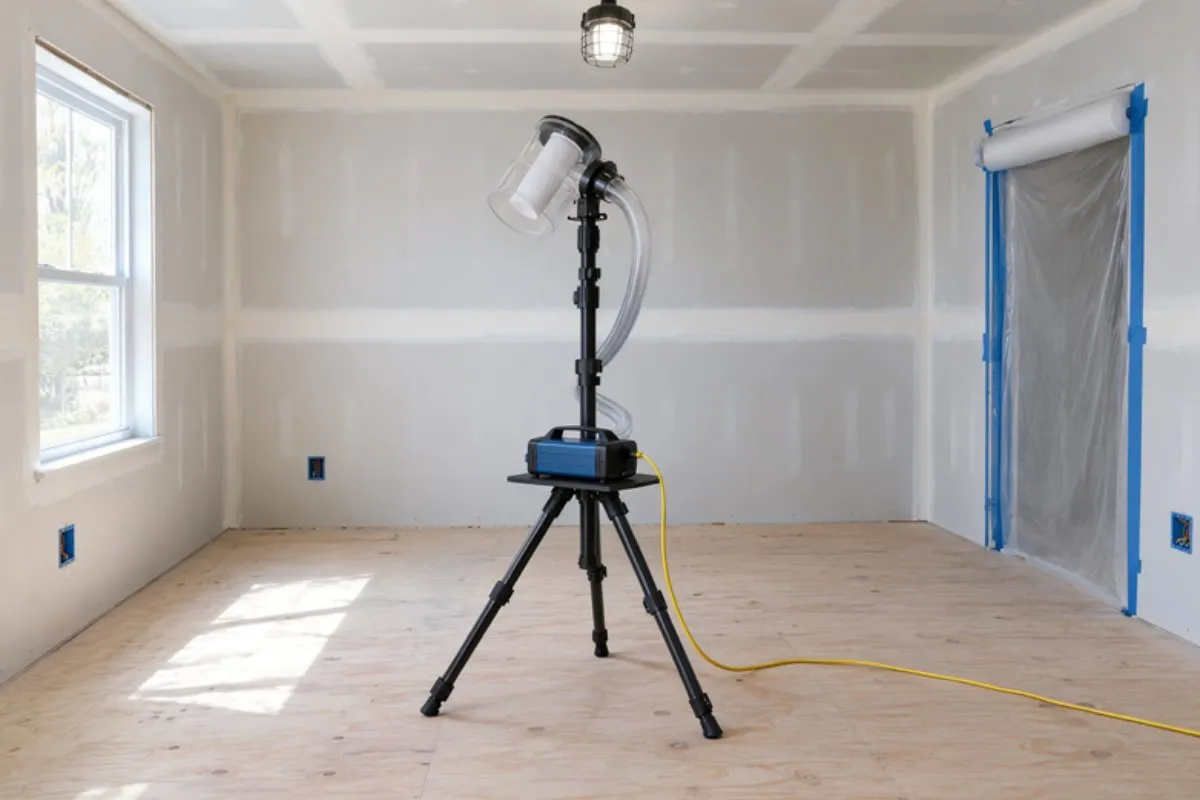
Clearance and the original protocol
The assessor's cleanup plan, often called a protocol, lists the areas, materials and moisture problems to be addressed. Clearance is graded against that document. If the plan said to remove wet drywall behind a vanity and the wall is still there, the area does not clear no matter how clean it looks.
The visual check comes first
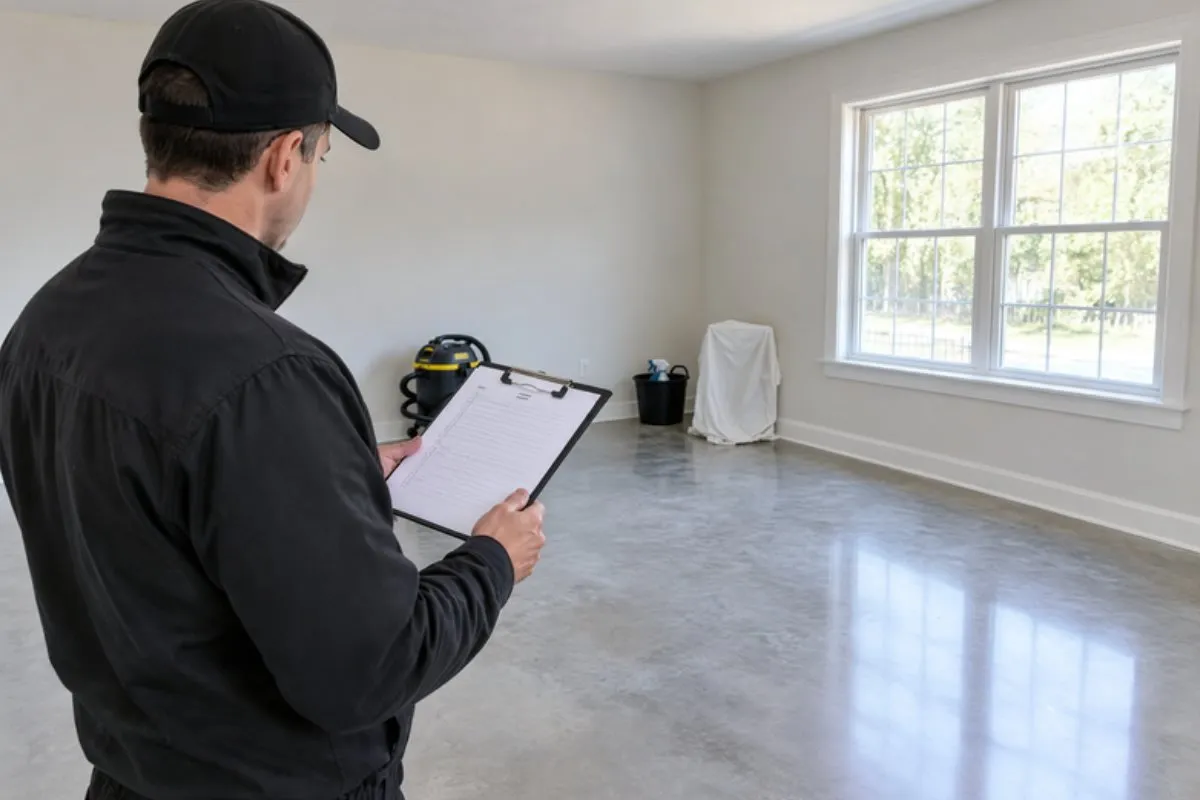
The most important part of clearance is simply looking. The assessor checks for remaining growth, staining, dust left from demolition and any spot the cleanup missed, often with a flashlight and a mirror in tight places. Florida DOH does not recommend sampling when mold is visible, so visible growth is dealt with first.
Newer homes, such as the typical 1995 build in Wellington, rely heavily on AC to control humidity. A clearance visit often includes a look at how the system is running.
What passing does not promise
Clearance is a snapshot of one day. It tells you the work area met the plan when the assessor was there. Houses in Wellington still need a working AC, dry attics and quick repair of new leaks to stay that way, along with indoor humidity in the range EPA suggests.
Before work starts in Wellington
State law treats mold assessment and mold remediation as separate license types issued by DBPR. A quick license lookup is worth doing before you sign anything.
Florida also bars a company that assessed a structure from remediating it within 12 months, and the reverse, so the inspection and the cleanup usually come from two different businesses.
If the job grows into replacing drywall, cabinets or framing, ask whether the rebuild needs a permit from the Wellington Building Department.
Palm Beach County Planning, Zoning & Building offers flood zone details, worth checking if storm water or surge is part of the story.
Calls from Wellington are often matched with companies that also cover Greenacres, Haverhill and Royal Palm Beach.
When the drying is done
The assessor generally waits for materials to dry, since a wet reading is the quickest way to fail an otherwise clean area. EPA advises drying wet materials within 24-48 hours of a water event, but after a cleanup the timing depends on what was removed. Ask the remediator to tell you when the area is ready.
Questions to ask the assessor
- Does this visit include sampling, and how many samples?
- What will the report cover?
- What happens if the area does not pass?
- Do you hold a state mold license, and what is the number?
You can confirm the license on DBPR's search.
Wellington at a glance
Calls come in from across Wellington, including around Forest Hill Boulevard, Lake Worth Road, U.S. 441 / State Road 7.
Any development in the floodplain requires a building permit, per the village's flood information page.
Post-Remediation Clearance Testing questions in Wellington
Does clearance always include lab samples?
What does it mean to pass clearance?
Is clearance testing the same as a mold test?
What should the clearance report include?
More mold services in Wellington
Post-Remediation Clearance Testing nearby
Helpful guides
Sources
Last updated: