A stain, a bubble in the paint or a musty smell near one wall can mean the cavity behind it is wet. EPA advises fixing the moisture problem first and drying materials quickly. Call the number on this page to be connected with a local mold company in Palm Beach Shores.
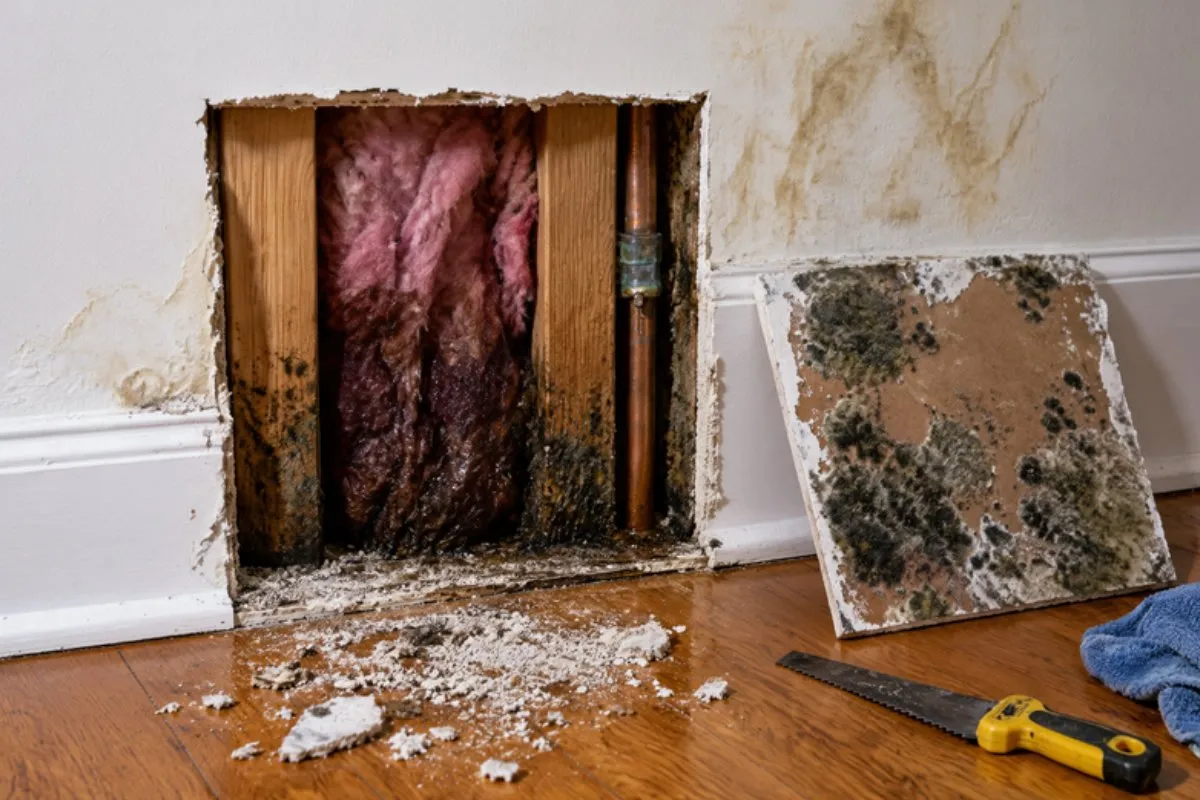
Cabinets, tile and baseboards hide the early stages
The first stage of wall mold is often out of sight: the back of a kitchen cabinet, the wall behind a tub surround, or the lower inch of drywall under a baseboard. Homeowners usually notice a smell or a stain long after the damage started, which is why odd odors near plumbing walls deserve attention.
Condo walls carry a neighbor's leak to you
In a condo, a burst line or slow drip in the unit above or beside you can soak a shared wall without a single drop appearing on your side until later. Associations often set the rules for who opens that wall and who pays, so it helps to document the stain and ask the board early.
Oceanfront and waterway homes face constant moisture in the air, which slows drying and lets a small wall leak linger far longer than it would farther inland.
Access and condo rules
A wall shared with a neighbor, or one inside a condo with strict work hours and elevator rules, can add steps. Ask whether the company coordinates with the association and whether any permit or notice is needed before work starts. Those details affect schedule as much as price.
Should the wall be tested afterward?
Florida DOH does not recommend sampling when mold is visible, and it says there are no health-based standards for sample results. Still, some owners and condo boards want a clearance check after removal. Ask the company whether a separate assessor makes sense for your job.
Keeping humidity in check
EPA recommends keeping indoor humidity below about 60 percent, and ideally between 30 and 50. In a South Florida home that means running the AC regularly, using bathroom exhaust fans and not letting a closed-up house sit in the heat. Drier air makes a wall cavity far less welcoming.
Local details for Palm Beach Shores
State law treats mold assessment and mold remediation as separate license types issued by DBPR. A quick license lookup is worth doing before you sign anything.
Florida also bars a company that assessed a structure from remediating it within 12 months, and the reverse, so the inspection and the cleanup usually come from two different businesses.
If the job grows into replacing drywall, cabinets or framing, ask whether the rebuild needs a permit from the Palm Beach Shores Building Department.
Flood zone and floodplain information for the area is available through Palm Beach County Planning, Zoning & Building, which helps when you're sorting out insurance or rebuilding after water got in.
Calls from Palm Beach Shores are often matched with companies that also cover Riviera Beach, Lake Park and Mangonia Park.
Mold in Walls questions in Palm Beach Shores
What is an inspection opening?
How long can drywall stay wet before mold starts?
Who fixes the leak that caused the mold?
Who handles repairs after the wall is opened?
More mold services in Palm Beach Shores
Mold in Walls nearby
Helpful guides
Sources
Last updated: